
Building a Shared Bond Around HMDD’s “Happy Memories Don’t Die” Message: The Method Behind It
Instead of starting out as a typical slogan factory, HMDD grew from a single phrase — happy memories don’t die — a line that eventually became the core motivation behind a clothing label built on emotional permanence over seasonal trends. At a time when most labels pursue the following product wave, the brand decided to commit to a single idea: that the joyful moments in a person’s life are worth wearing, not just recalled. That decision has influenced every part of product design all the way to how the brand communicates with its customers online.
In 2026, what stands out about this approach is HMDD’s consistency in maintaining it. Apparel brands often dilute a original mission once expansion demands sets in, swapping substance for scale. HMDD clothing, by contrast, has committed even more, threading the line across sweatpants, shorts, and outerwear as a repeated motif rather than a isolated promotional line. This consistency is exactly what turns a slogan into a badge of belonging — a cue fellow wearers pick up on before a even one word is exchanged.
“Happy Memories Don’t Die”: How the Phrase Began
The line on its own functions in the manner of a quiet vow. Recollections dim, pictures disappear, but a soft pair of sweatpants worn during a specific summer, or a hoodie kept from a college trip, carries a memory you can hold in a way a phone photo is unable to reproduce. HMDD shaped its entire brand language around this idea, and it shows in product naming, packaging language, and social captions that repeatedly circle back to the same emotional register.
This isn’t some branding coincidence. Grief, nostalgia, and joy are three of the most frequently searched emotional themes in apparel marketing research over the last five years, and the brand placed itself squarely within that intersection. Shoppers who search “happy memories dont die” or “happy memories don’t die” online are not just after a product — they are in search of language that matches something they already feel. HMDD answers that search motivation authentically, which is part of why the brand has generated genuine loyalty rather than relying purely on paid reach.
This creates something like a feedback loop. Buyers upload their buy hmdd hoodie own memories tagged with HMDD gear, other people see those posts, and the phrase travels via real-life experience rather than marketing on its own. That’s tougher to engineer than a snappy tagline, and it is the real driving force behind HMDD’s growing community.
HMDDLA and the Hometown-to-Global Identity
The HMDDLA identity connects the brand to a specific locale while still allowing the brand’s message to reach a global audience. Los Angeles has long been a proving ground for streetwear labels, with HMDDLA fully leaning into that tie without losing the brand’s emotional center. Simultaneously, it points to both backstory and authenticity — a touch that strikes a chord with customers who want to know a brand has real roots, rather than merely a warehouse and a website.
This blend of local and global sensibility also shows up in how HMDD engages online. Instead of leaning on purely aspirational visuals, the brand’s content often centers actual customers, lived-in settings, and honest captions rooted in particular memories. That approach lowers the barrier between brand and buyer. A buyer needn’t live in Los Angeles to feel a connection to HMDDLA; instead, they need to recognize the underlying emotional thread that the place embodies.
Community-driven fashion brands that survive past their first few years tend to share this trait: they let customers co-author the meaning of the brand. HMDD’s use of HMDDLA as a geographic and emotional anchor gives fans a specific place to project their own stories onto, which strengthens retention far more than discount codes ever could.
Daily Wear as Statement: Sweatpants, Casual Bottoms, and Everyday Wear
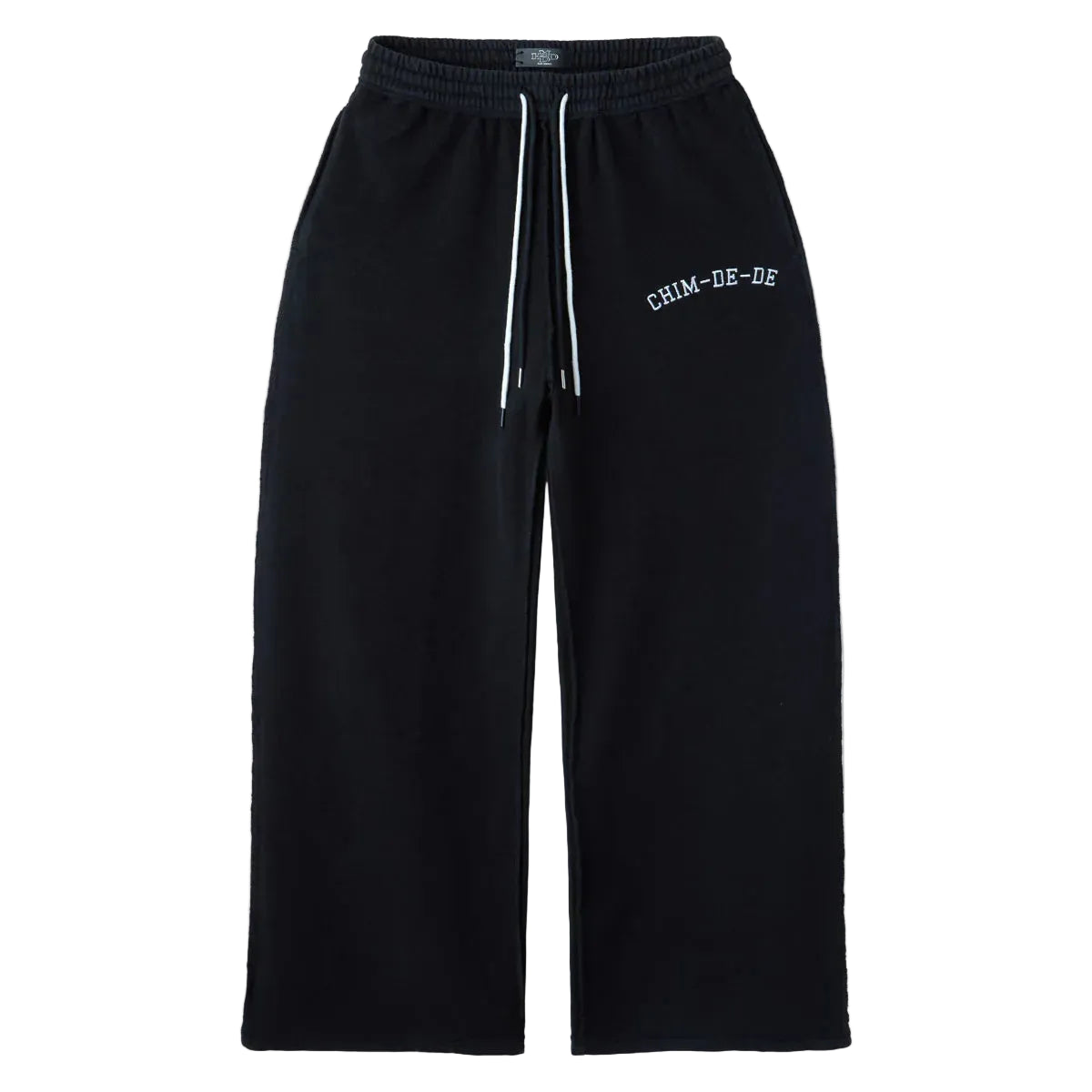
A brand’s core message only holds up if the garment delivers on it. HMDD sweatpants and HMDD shorts are marketed as daily staples rather than once-in-a-while standout items, and this daily presence carries weight. The more frequently someone wears an item, the more memories accumulate inside it — an idle Sunday, a trip on the road, a late night spent with friends. Rather than dropping items after a single season, HMDD’s strategy keeps its core pieces consistently in rotation, leaning into this effect.
This is furthermore where “best hmdd clothing” queries tend to lead buyers: people sizing up coziness, fit, and long-term wear before deciding which piece turns into part of their everyday wardrobe. Sweatpants and shorts, in particular, are worn far more often than outerwear or occasion pieces, and that’s exactly what makes them such a natural way to deliver a message about memories that stick. As wears add up, so do the moments, and gradually the wording on the tag feels more genuine and less ornamental.
Instead of relying on complicated capsule drops, HMDD decided to build its catalog around these core pieces—a choice that also lowers friction for new customers.
Someone reading an HMDD review is more likely to be weighing up a pair of shorts or sweatpants they can wear three times a week than a limited jacket they might use three times a year.
That accessibility and the community strategy are one and the same—it is built into the strategy itself.
Examining What HMDD Reviews Reveal Regarding Collective Trust
It’s in reviews that the promises a brand makes get measured against the lived experience of customers. A typical HMDD review is not confined to construction details or textile heft — it frequently contains a reference to how the item felt to wear during a particular stretch of the customer’s life. This tendency stands out. The bulk of clothing reviews concentrate almost exclusively on fit and material; HMDD’s reviews often mix commentary on the item with personal storytelling, a clear signal the brand’s message has taken hold beyond marketing copy.
For new shoppers trying to decide between HMDD and comparable streetwear-leaning brands, this becomes an important factor. When reviews consistently reference emotional context alongside practical detail, it suggests that the “happy memories don’t die” concept goes beyond mere hangtag copy — it is actively influencing how people talk about the product once they’ve bought it. Rival brands are unlikely to copy that kind of organic reinforcement quickly, since it depends on sustained message consistency over time, not just one marketing push.
As the years pass, trust within the community compounds, because every truthful review offers a modest boost of trust that future shoppers can lean on — and since HMDD chooses to let personal stories appear publicly, rather than only selecting glossy lifestyle shots, its review ecosystem has remained genuine heading into 2026.
Comparing HMDD’s Strategy to Run-of-the-mill Street-style Branding
| Core feature | Conventional Street-fashion Brand | HMDD’s approach |
|---|---|---|
| Main theme | Anchored in whatever’s trending | Rooted in lasting feeling (“happy memories don’t die”) |
| Where the product centers on | Exclusive drops, frequent turnover | Closet essentials — sweatpants and shorts — held in continuous rotation |
| Material featuring shoppers | Staged lifestyle imagery | Real customer stories tied to particular moments |
| Geographic identity | Usually undefined and interchangeable | Rooted in HMDDLA, linking Los Angeles origin to global reach |
| Culture around reviews | Fixated on fit plus shipping speed | Fuses practical reviews with personal narrative |
Rather than suggesting that HMDD overlooks sizing, delivery, or core quality standards—core factors that still count to any fashion brand’s ability to last—this breakdown illustrates where HMDD instead chooses its energy as a label, stacking emotional meaning onto the functional side most shoppers already expect.
Building Community, Not Just Sales , While Building True Belonging In Its Place
A catchphrase turns into a community tool when it provides folks a reason to talk to each other, not just to the label. HMDD’s message works because it invites personal interpretation. For one shopper, “happy memory” might mean a wedding weekend; for another, it might mean coming back from a hard year. The phrase is expansive enough to hold both readings without feeling generic, and this adaptability is what converts separate purchases into a shared identity.
The perceived risk of a first purchase drops when shoppers see fellow shoppers showcasing HMDD clothing alongside real milestones — peer validation also matters. This holds particularly for shoppers weighing HMDD alongside alternatives while trying to find the best HMDD clothing to start with — joggers and shorts tend to be where most newcomers begin given their price accessibility and daily wearability.
Deeper into 2026, the brands that keep customer attention will likely be the ones offering belief, not just goods. HMDD’s reliance on a single sentiment-driven line, echoed persistently across HMDDLA identity, product design, and customer reviews, has positioned it as more than just an apparel brand. It now stands as a small, wearable token that the memorable experiences people go through are deserving of being kept — and worth wearing again.